 |
 |
 |
 |
| EVOLUTION | MATTER & ENERGY | INFORMATION | INTERACTIONS |
|
|
|
|
|
| EVOLUTION | MATTER & ENERGY | INFORMATION | INTERACTIONS |
|
|
| MONDAY 3/21 | TUESDAY 3/22 | WEDNESDAY 3/23 | THURSDAY 3/31 | FRIDAY 4/1 | ||
|
Watch
Origin of Life
&
Abiogenesis
videos, answer
BILL ?'s
by TODAY Finish collecting data on transpiration experiment graph/discussion due MON 4/6 HW: Lab 8 PTC/Cases I-IV data sheets/? due tomorrow Causes of Microevolution organizer due tomorrow Watch Rock Pocket mice video and complete BILL- ROCK POCKET MICE ?'s by WED |
Lab 8 PTC/Cases I-IV data sheets/? due Causes of Microevolution organizer dueCLADOGRAMS Bozeman video-Cladograms Cladogram FRQ HW: Hardy Weinberg corrections due tomorrow Watch Rock Pocket mice video and complete BILL- ROCK POCKET MICE ?'s DUE WED 3/30 |
DNA TECH
REVISIT
due HW problem corrections due Clicker review GLO treesdue TUESDAY Watch Rock Pocket mice video and complete BILL- ROCK POCKET MICE ?'s DUE WED |
NO SCHOOL  SPRING BREAK |
NO
SPRING BREAK |
||
| MONDAY 3/28 | TUESDAY 3/29 | WEDNESDAY 3/30 | THURSDAY 3/31 | FRIDAY 4/1 | ||
|
NO SCHOOL  EAK EAK |
ENDOCRINE system project DUE Ecology Slide show HW: Watch Bozeman Biogeochemical cycles and fill in ?'s in BILL by FRIDAY |
Watch
Rock Pocket mice video and complete BILL- ROCK POCKET MICE ?'s DUE
IN CLASS-Watch Bozeman Videos-
HW: Finish #3-#6 by
FRIDAY |
TAKE HOME EVOLUTION TEST DUE Mark and capture activity Assumptions HW: 1. Bozeman video- Biogeochemical cycles Fill in Video guide in BILL due by TOMORROW 2. DO virtual Mark and recapture simulation Collect data in your BILL and estimate rabbit population by TUESDAY
|
Ethics Essay DUE Watch Bozeman Biogeochemical cycles and fill in ?'s in BILL by TODAY Population problems #3-#6 due
Bozeman-Cycles
video 1. DO virtual Mark and recapture simulation Collect data in your BILL and estimate rabbit population by TUESDAY 2. Watch Bozeman video-Ecological Succession AND fill in video guide notes in YOUR BILL by MONDAY |
||
| MONDAY 4/4 | TUESDAY 4/5 | WEDNESDAY 4/6 | THURSDAY 4/7 | FRIDAY 4/8 | ||
|
Transpiration lab graphs/discussion DUE TODAY Population Ecology Watch Bozeman video-Ecological Succession AND fill in video guide notes in YOUR BILL by TODAY r and k selection Video guide
Ecology TO DO LIST |
BILL-Virtual Mark and capture activity due Wolves in Yellowstone-Everything is connected HW: Watch these Bozeman videos & Take notes in your BILL by FRIDAY Niche Animal Behavior Information Exchange Aposematic Coloration Populations Ecological Succession |
Watch Bozeman
Ecosystems
video and take notes in BILL by today KSFY News-Keystone pipeline leak 4/5/16 Keystone pipeline
REVIEW
Vocab pictionary |
Interpreting ecological graphs due IN CLASS GROUP ESSAY PAST ECOLOGY FRQ's |
Watch all videos by today Niche Animal Behavior Information Exchange Aposematic Coloration Populations Ecological Succession REVIEW FOR TEST MONDAY Card review Answers HW: Watch Bozeman Bio Immune System video and make a concept map of ALL "the players" by THURS |
||
| MONDAY 4/11 | TUESDAY 4/12 | WEDNESDAY 4/13 | THURSDAY 4/14 | FRIDAY 4/15 | ||
|
Body system project-Immune system due
MONDAY MC TEST- Ecology: HW: Watch Bozeman Bio Immune System video and make a concept map of ALL "the players" by THURS Take the AP BIO Survey |
Signal
Transduction Watch Bozeman Bio Immune System video and make a concept map of ALL "the players" by THURS Take the AP BIO Survey |
Watch Bozeman Biology
|
Watch Bozeman Bio Immune System video and make a concept map of ALL "the players" by TODAY Hormone match opener HW: Find your Kinds of transport in nerves and muscles from transport chapter |
Clicker review w/ answers AP BIO REVIEW CARDS VIDEO Review cards HW: |
|
|
| MONDAY 4/18 | TUESDAY 4/19 | WEDNESDAY 4/20 | THURSDAY 4/21 | FRIDAY 4/22 | ||
|
AP
BIO PRACTICE EXAM |
AP BIO PRACTICE EXAM | |||||
| MONDAY 4/25 | TUESDAY 4/26 | WEDNESDAY 4/27 | THURSDAY 4/28 | FRIDAY 4/29 | SATURDAY/SUNDAY | |
|
Nervous system Find your Kinds of transport in nerves and muscles from transport chapter by today Set up Learning Library logins Nervous System Pick 3 Misconceptions From Anna Gallardo HW: Misconceptions- respond to 3 for MONDAY Use your online Campbell link Complete BIOFLIX 48.3 How do neurons work? & Chap 48.4 How does a synapse work? by WED STUDY STUDY STUDY |
REVIEW Share your 3 Misconceptions From Anna Gallardo Watch Plant Control video and fill in chart in BILL Fight or Flight video HW: Use your online Campbell link Complete BIOFLIX 48.3 How do neurons work? & Chap 48.4 How does a synapse work? by WED STUDY STUDY STUDY |
REVIEW
How does a synapse work? Mrs. Doss-AP Exam
Blood
pH & Buffers
HW: STUDY STUDY STUDY
|
Make
a connection opener #1 Make a connection opener #2 REVIEW Review video-Ask Mr. Anderson a ? HW: STUDY STUDY STUDY |
REVIEW |
PROM | |
| MONDAY 5/2 | TUESDAY 5/3 | WEDNESDAY 5/4 | THURSDAY 5/5 | FRIDAY 5/6 | SATURDAY/SUNDAY | |
|
AP Chemistry
STUDY STUDY STUDY |
AP Calculus Lab review by Kim Foglia |
AP English |
REVIEWSTUDY STUDY STUDY |
AP US HISTORY |
Happy Mother's Day Play this video for your "MOM" STUDY STUDY STUDY Watch Mr Anderson's 2014 Review video Email me with any last minute ?'s Get a good night's sleep! Eat breakfast Monday AM before the Exam! GOOD LUCK! |
|
| MONDAY 5/9 | TUESDAY 5/10 | WEDNESDAY 5/11 | THURSDAY 5/12 | FRIDAY 5/13 | ||
|
AP Physics-PM |
AP Gov't & Politics Biology Cookie decorating contest What I wish I knew? |
AP English- Lang & Comp AP Statistics-PM |
AP Macro-Econ |
Human Geography |
|
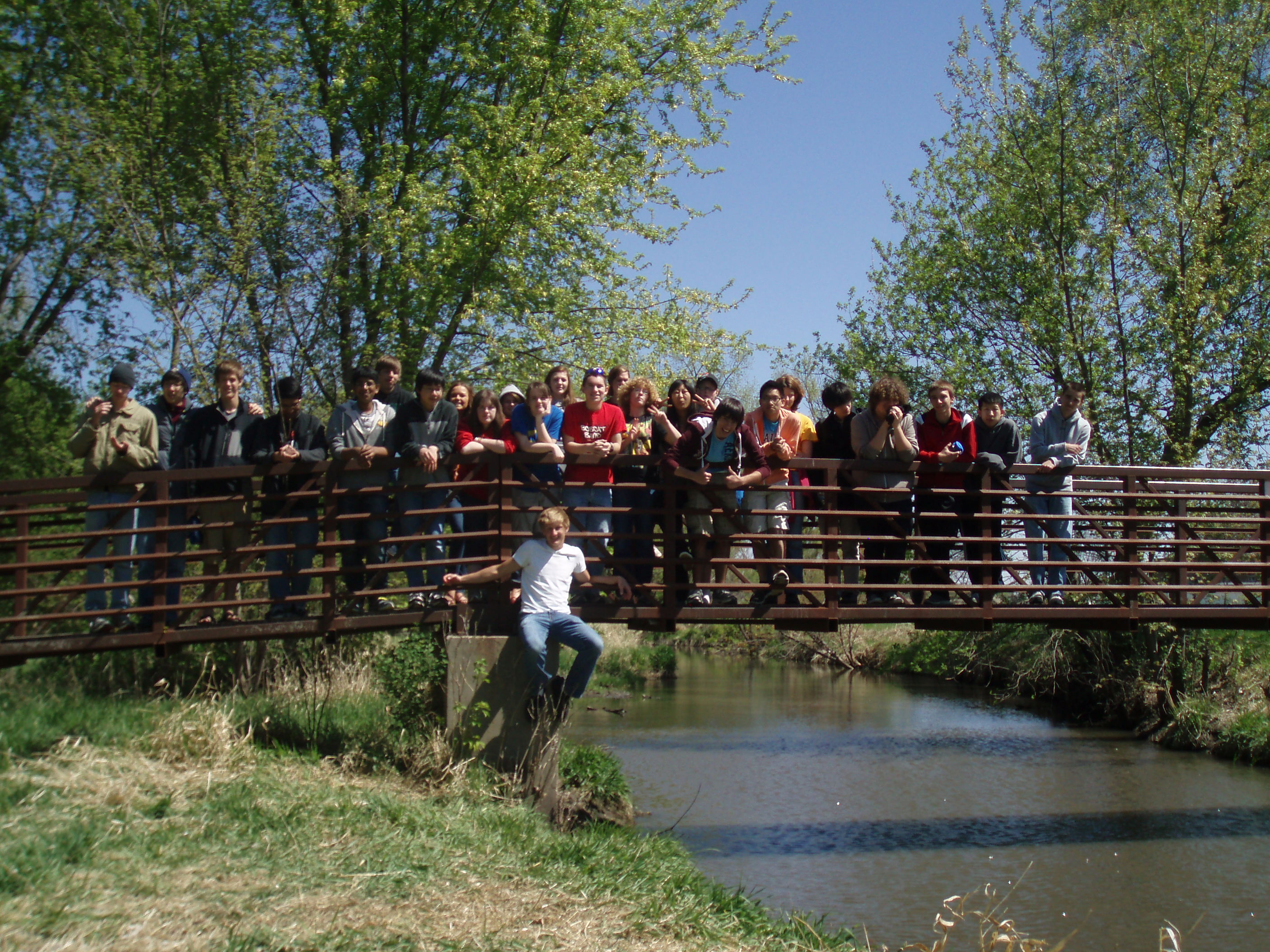
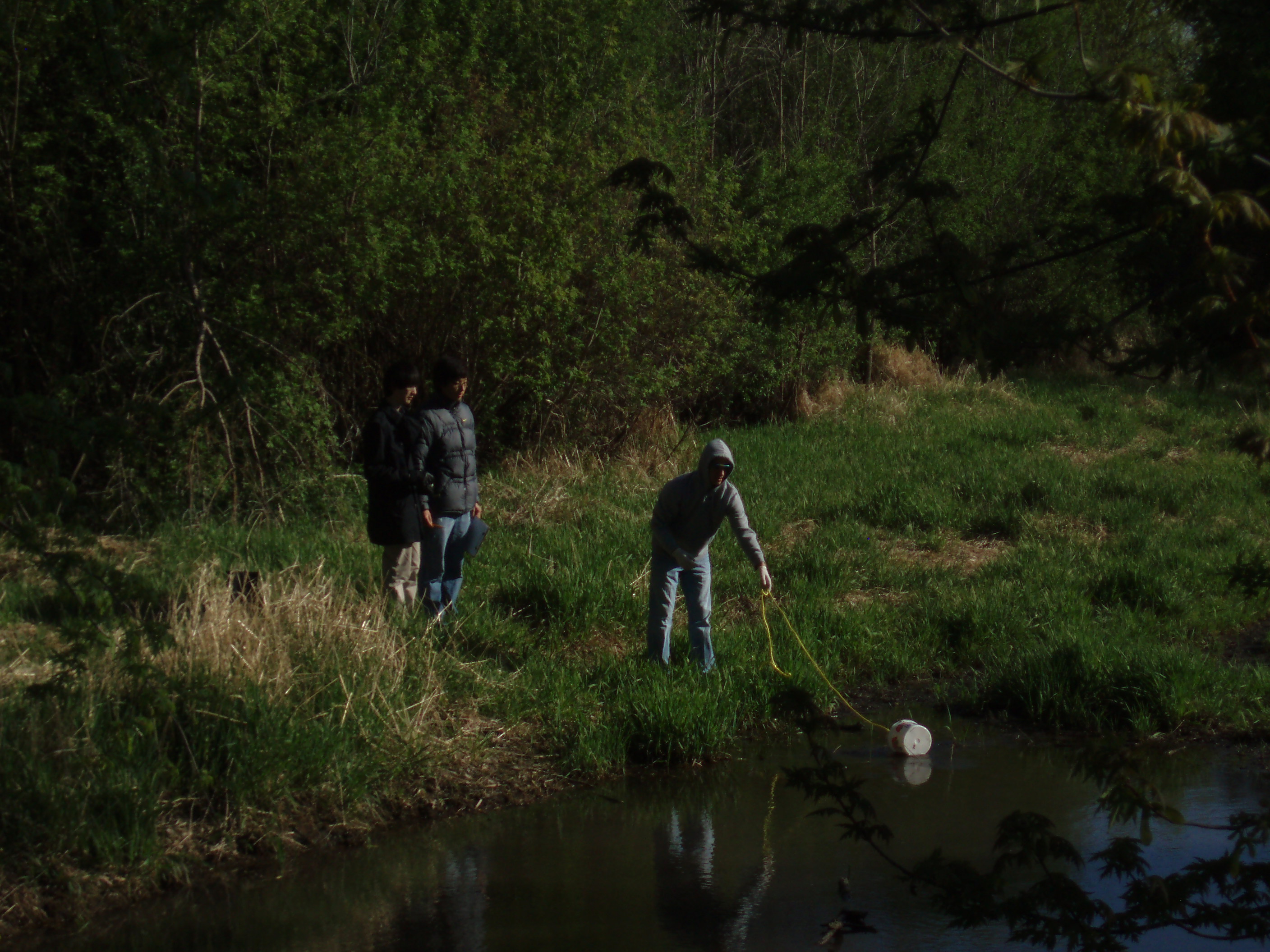
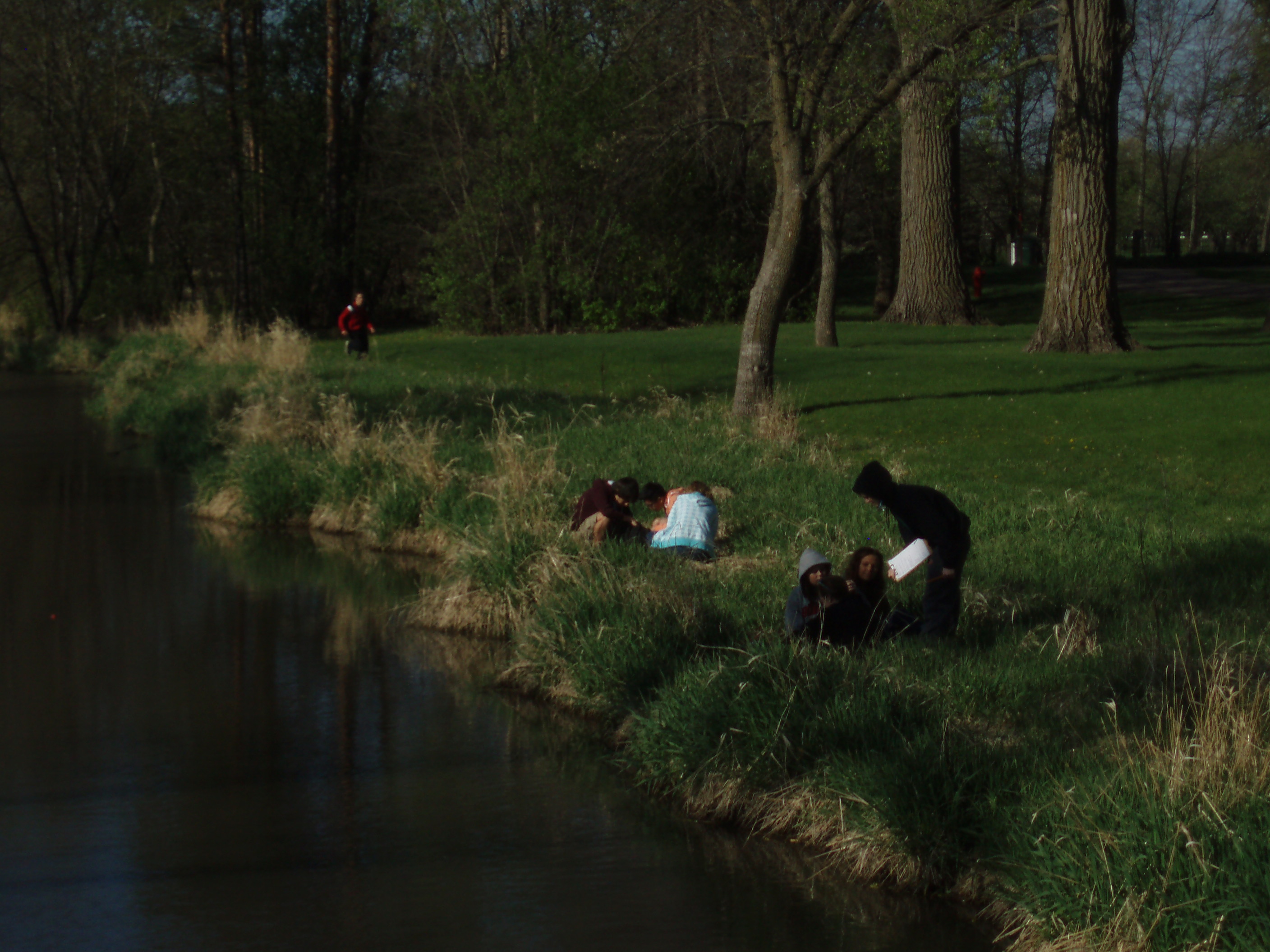
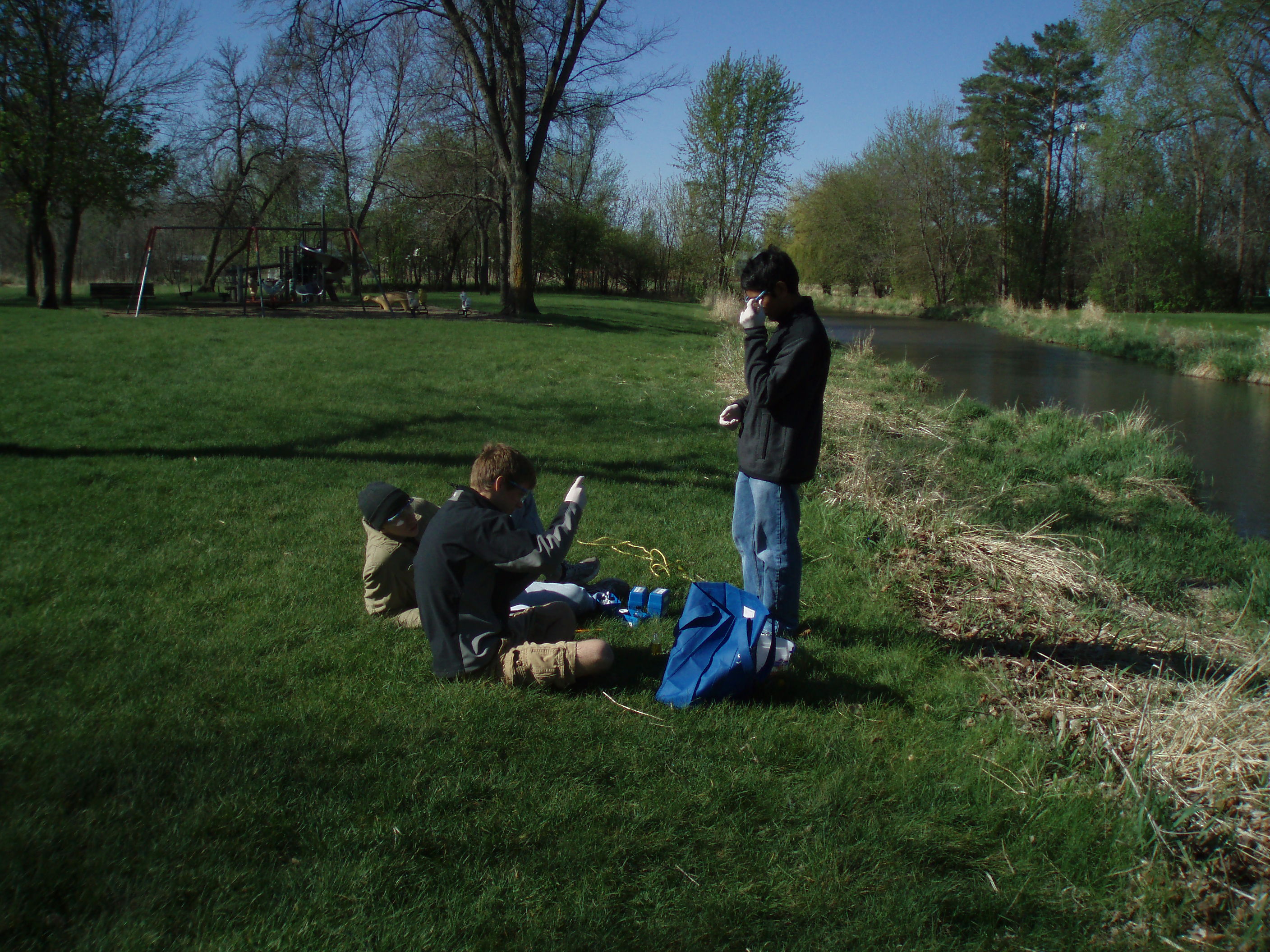
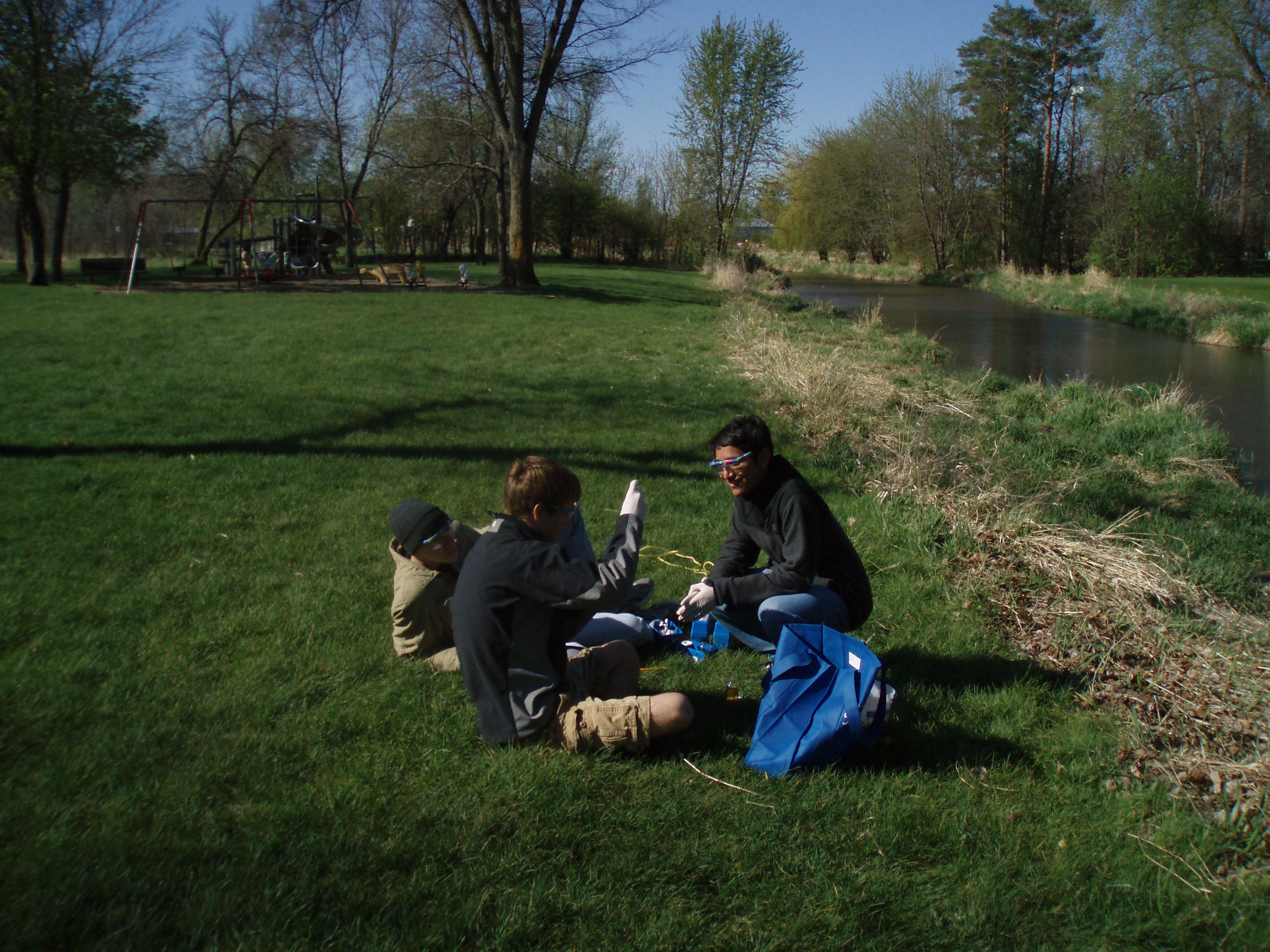
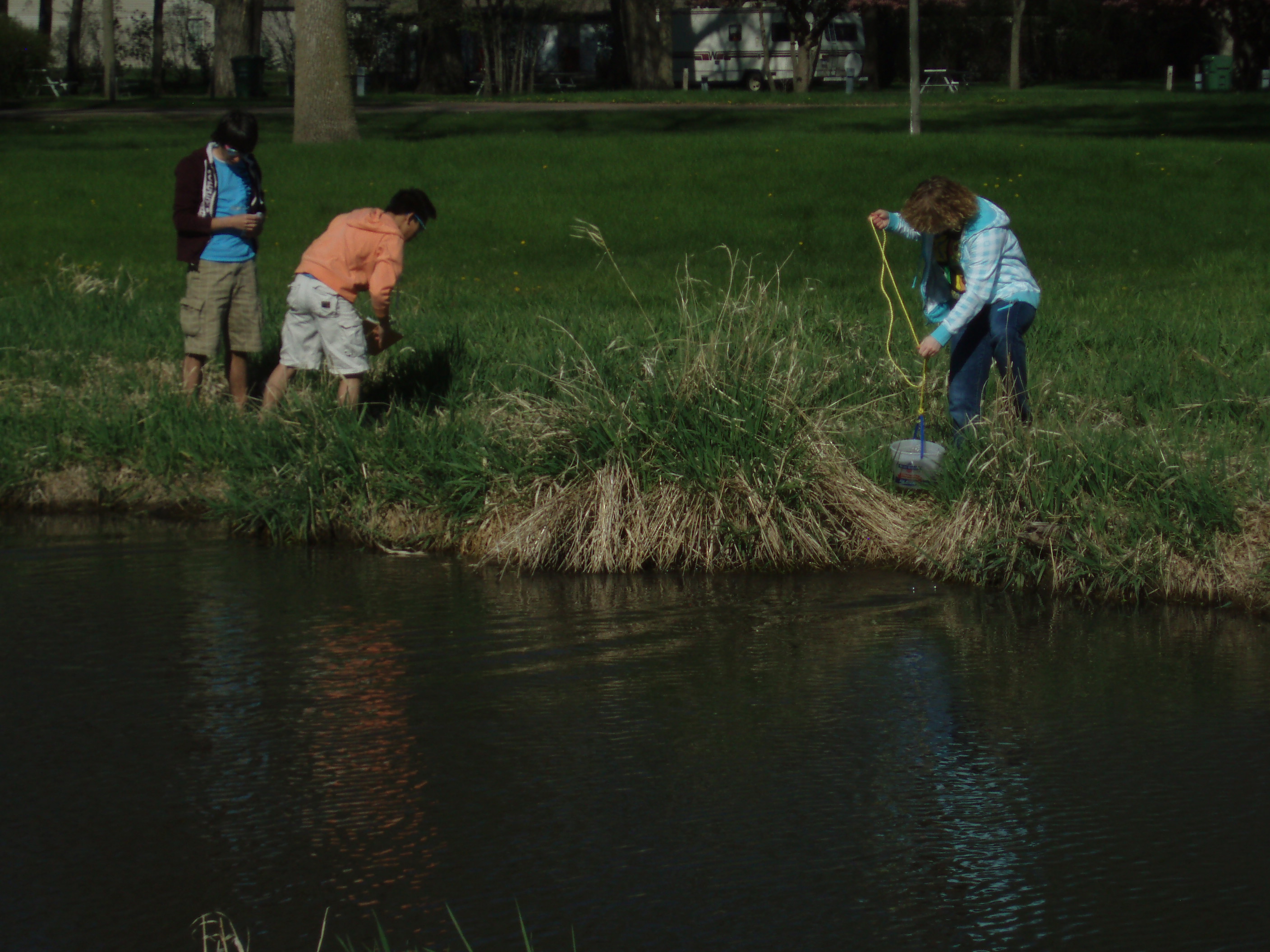
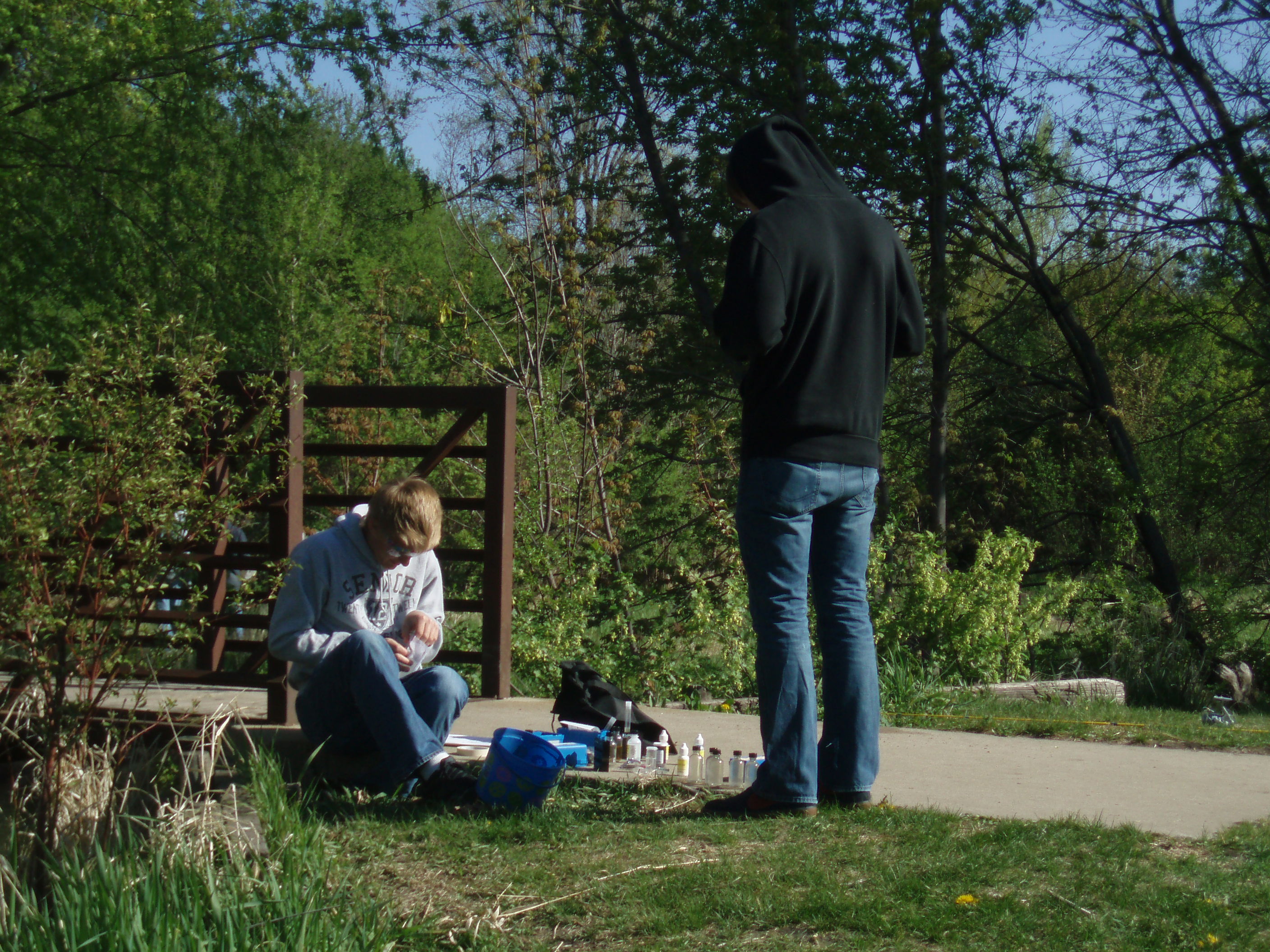
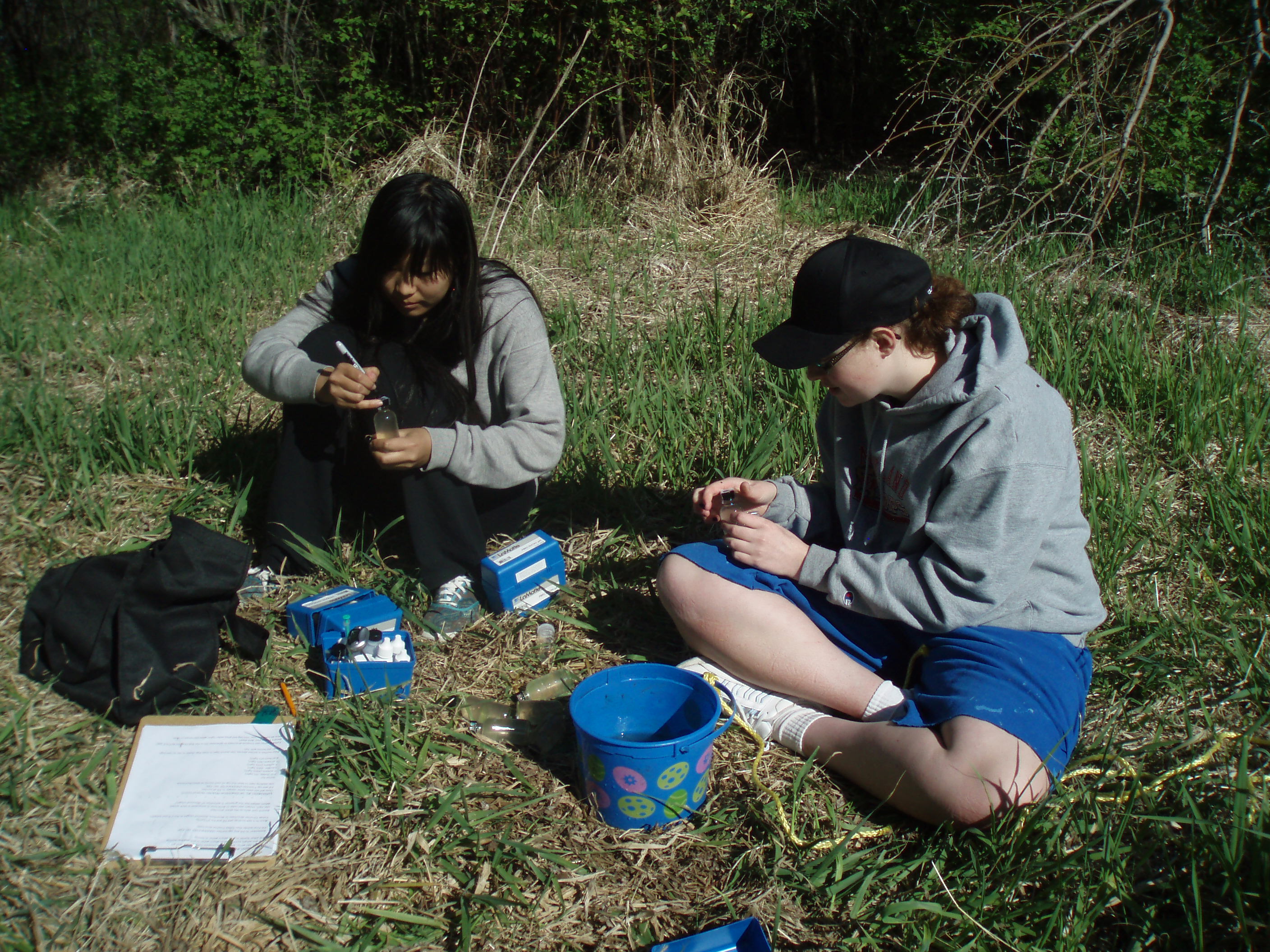
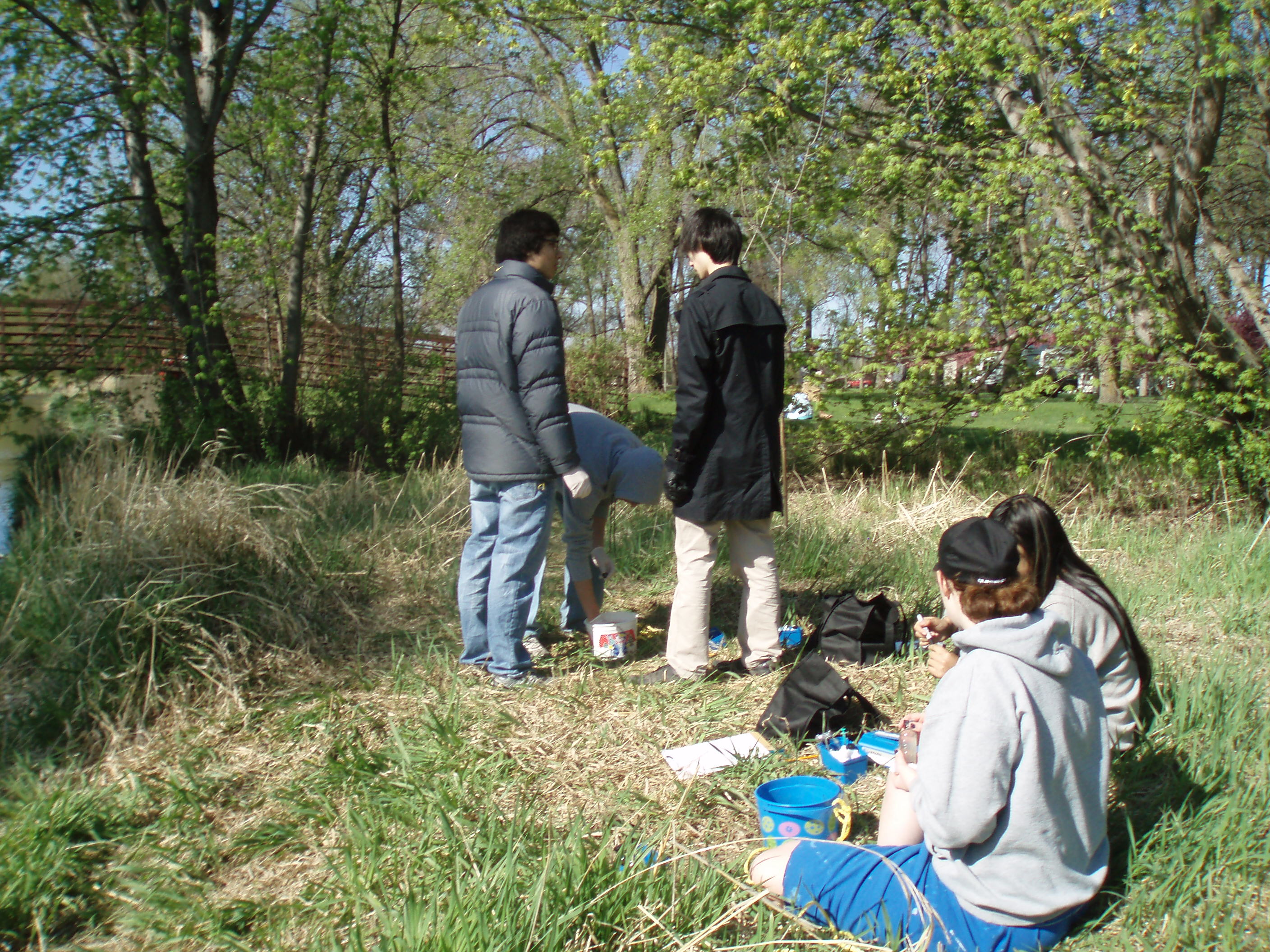
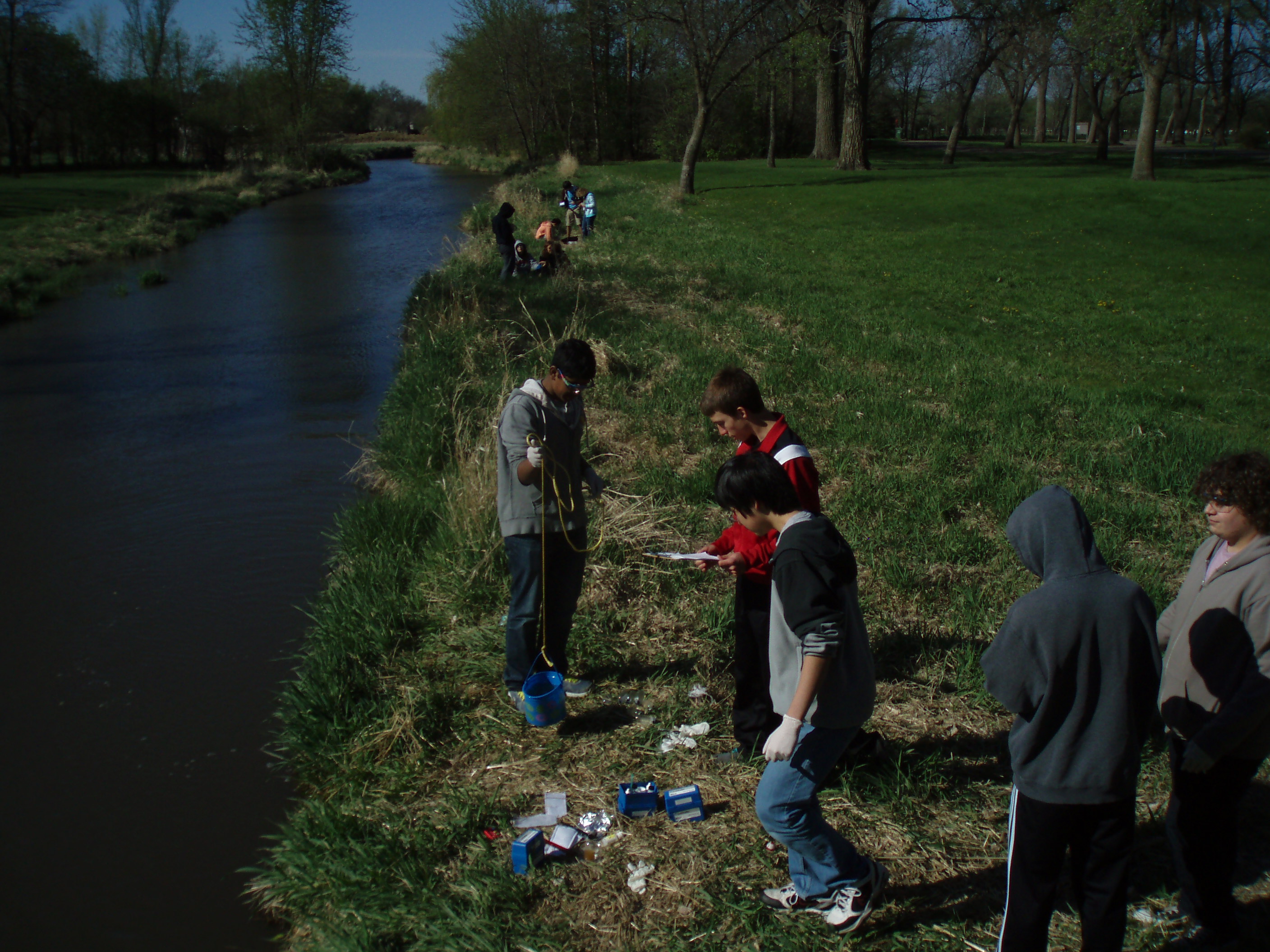
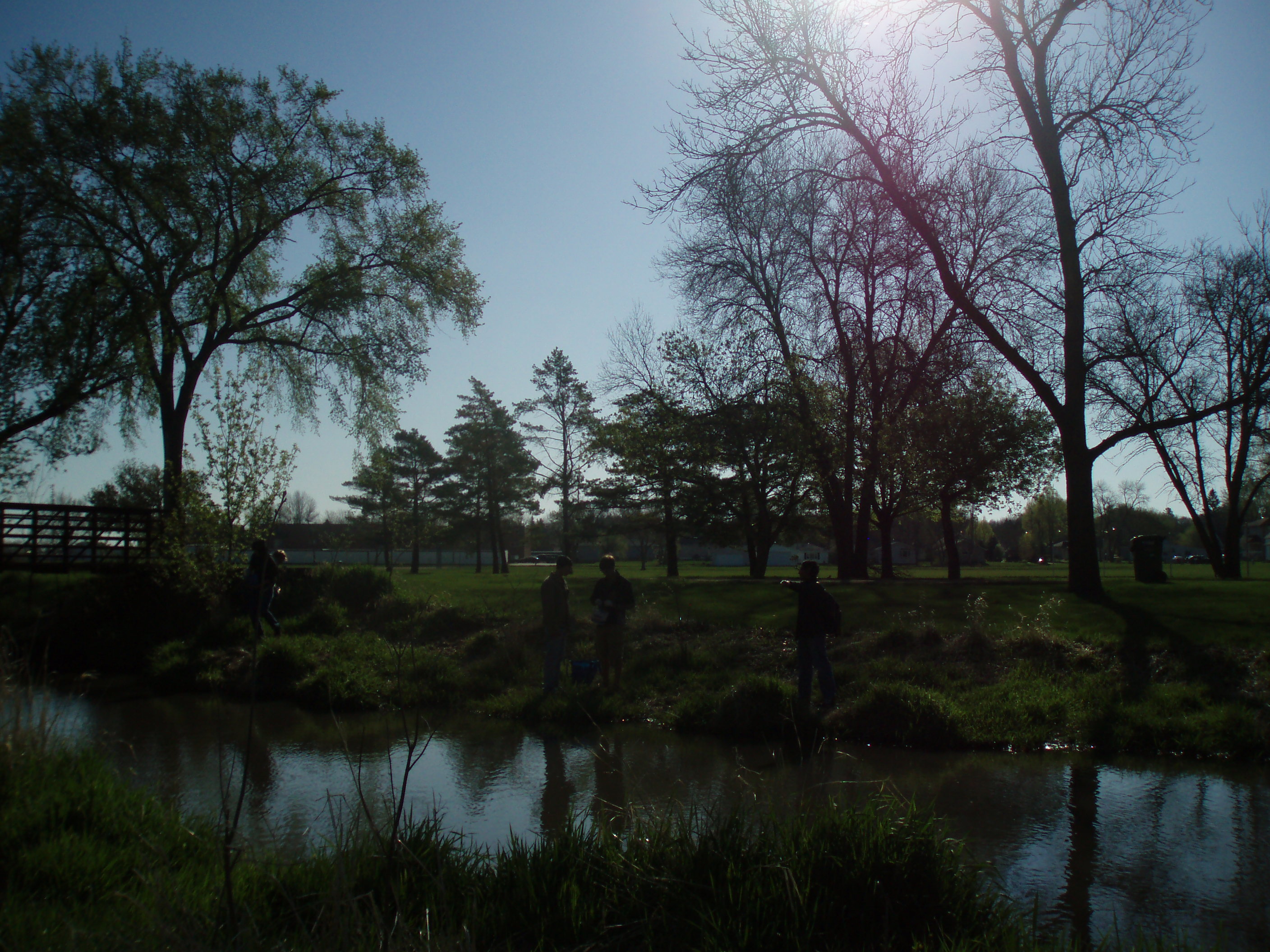
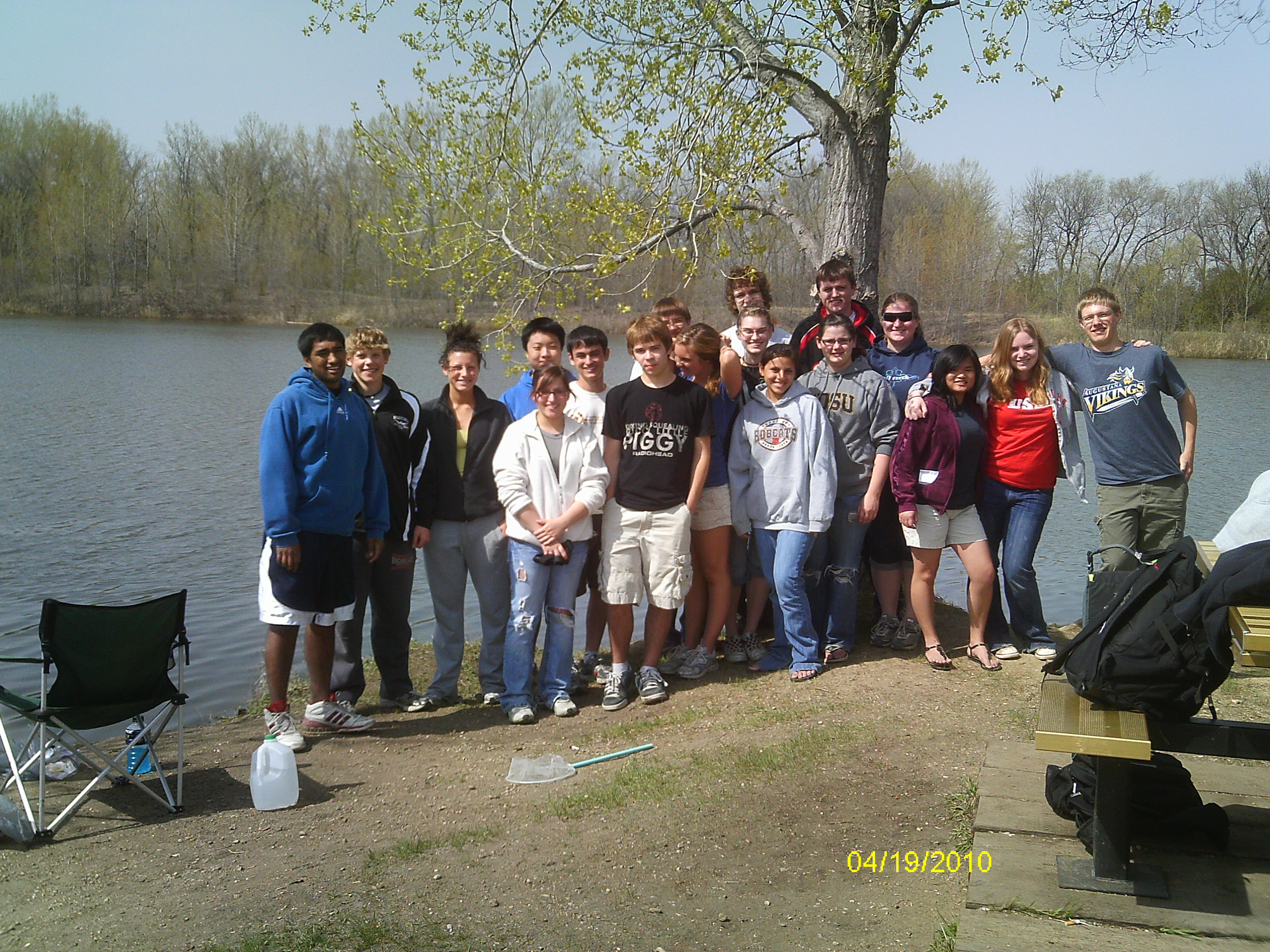
WATER TESTING FIELD TRIP- 2012 |
|||||
 |
 |
 |
 |
 |
 |
 |
 |
 |
 |
 |
 |
 |
 |
 |
 |
 |
|
2011
2010
| Bozeman Biology Videos | |||||||
|
Lab 12 Dissolved Oxygen |
Biodiversity | Population Variation |
Ecosystem Change |
Populations | Ecosystems | Biogeochemical cycles | Animal Behavior |
| Niche | Communities | Ecological Succession | r and k selection |
Aposematic Coloration |
Population Modeling |
Exponential Growth |
Information Exchange |
| Lab 9 Transpiration | |||||||
| HHMI-Keystone and Trophic cascades | How Wolves change rivers | How whales change climate | |||||
David Knuffke's Prezis
| Ecology 1: Behavior |
Ecology 2 Population Dynamics |
Ecology 3:
Community Interactions |
Ecology 4: Ecosystem Structure |
Ecology 5:
Conservation Biology |
Ecology 6- Human Impact: |
| What's the Deal with Carbon? |
Tragedy of the Commons |
Best Climate Change Advert | Girl Who Silenced the World for 5 minutes |
Big
Question What is Nature Worth |
Big Question Is Earth Past the Tipping Point |
| Animals Save the Planet | Change the way you think about Everything |
Change the way
you Think about your Laptop |
Change the way
you Think about food |
The World is
where we live |
The Power of One |
| Mr. W-Seven Ways to lose carbon | Before and After pix |
| Slide
shows
POWERPOINT version DOWNLOAD
POWERPOINT |
Ecology in a nutshell
notes
Slides shows by Kim Foglia |
| Mini-movies by Austin VanderWal | 1 | 7 | 8 | 9 | 10 |
| Handouts Past Ecology FRQ's |
What to Know-Ecology Biogeochemical cycles
Mr. Knight |
●
Remember: Biology is more than "just the
facts". It's all about connections.
(That said... you have to know the vocab and concepts to be able to see the
"big picture" and make those connections)
|
Review
What you should already know?
Ecology
review Ecology Review games NASA- Earth day quiz Footprint quiz Biology corner QUIA GAMES Biology 101 Science Geek
|
Clermont College-
Ecology Backyard Nature- Ecology Ecology overview
Biomes of the world
Create a food
web Virtual Biology Laboratory: Population Biology
YOU TUBE- videos |
| Jeopardy
template Right click on link above Save target as... choose your "My Documents" OR jump drive then fill in your own ?'s and answers |
Flashcard
template Right click on the link above, Save Target as . . . choose your "My Documents" OR jump drive then fill in your own ?'s and answers |
Eclipse
Crosswords Make an interactive crossword puzzle. Click on link above. Choose DOWNLOAD Tab at top of page
|
 ALL Body system projects due
FRI April 27
Part 1
RUBRIC
Part 2
RUBRIC
Big Idea 2: Biological systems utilize free energy and molecular building blocks
to grow, to
reproduce and to maintain dynamic homeostasis.
Enduring understanding 2.A: Growth, reproduction and maintenance of the
organization of living systems require free energy and matter.
Essential knowledge 2.A.1: All living systems require constant input of
free energy.
f. Changes in free energy availability can result in disruptions to an
ecosystem.
To foster student understanding of this concept, instructors can choose an
illustrative example such as:
•
Change in the producer level can affect the number and size of
other trophic levels
•
Change in energy resources levels such as sunlight can affect the
number and size of the trophic levels
LO 2.2
The student is able to justify a scientific claim that free
energy is required for living systems to maintain organization, to grow or
to reproduce, but that multiple strategies exist in different
living systems. [See SP 6.1]
LO 2.3
The student is able to predict how changes in free energy
availability affect organisms, populations and ecosystems.
[See SP 6.4]
Essential knowledge 2.A.3: Organisms must exchange matter with the
environment to grow, reproduce and maintain organization.
a. Molecules and atoms from the environment are necessary to build new
molecules.
Evidence of student learning is a demonstrated understanding of each
of the following:
1. Carbon moves from the environment to organisms where it is used to build
carbohydrates, proteins, lipids or nucleic acids.
Carbon is used in storage compounds and cell formation in all
organisms.
2. Nitrogen moves from the environment to organisms where it is
used in building proteins and nucleic acids. Phosphorus moves from the
environment to organisms where it is used in nucleic acids and certain
lipids.
LO 2.9
The student is able to represent graphically or model
quantitatively the exchange of molecules between an organism and its
environment, and the subsequent use of these molecules to build new
molecules that facilitate dynamic homeostasis, growth
and reproduction. [See SP 1.1, 1.4]
Enduring understanding 2.D: Growth and dynamic
homeostasis of a biological system are influenced by
changes in the system's environment
Essential knowledge 2.D.1: All biological systems from cells and
organisms to populations, communities and ecosystems are affected by
complex biotic
and
abiotic interactions involving exchange of matter and free energy.
a. Cell activities are affected by interactions with biotic and abiotic
factors.
To foster student understanding of this concept, instructors can choose
an illustrative example such as:
•
Cell density
•
Biofilms
•
Temperature
•
Water availability
•
Sunlight
b. Organism activities are affected by interactions with biotic and
abiotic factors. [See also 4.A.6]
To foster student understanding of this concept, instructors can choose
an illustrative example such as:
•
Symbiosis (mutualism, commensalism, parasitism)
•
Predator-prey relationships
•
Water and nutrient availability, temperature, salinity, pH
c. The stability of populations, communities and ecosystems is
affected by interactions with biotic and abiotic factors.
[See also
4.A.5, 4.A.6]
To foster student understanding of this concept, instructors can choose
an illustrative example such as:
•
Water and nutrient availability
•
Availability of nesting materials and sites
•
Food chains and food webs
•
Species diversity
•
Population density
•
Algal blooms
✘✘
No specific
example is required for teaching the above concepts. Teachers are free
to choose an example that best
fosters student understanding.
Learning Objectives:
LO 2.22
The student is able to refine scientific models and
questions about the effect of complex biotic and abiotic interactions on all
biological systems, from cells and organisms to populations,
communities and ecosystems. [See SP 1.3, 3.2]
LO 2.23
The student is able to design a plan for collecting data
to show that all biological systems (cells, organisms, populations,
communities and ecosystems) are affected by complex biotic and
abiotic interactions. [See SP 4.2, 7.2]
LO 2.24
The student is able to analyze data to identify possible
patterns and relationships between a biotic or abiotic factor and a
biological system (cells, organisms, populations, communities or
ecosystems). [See SP 5.1]
Essential knowledge 2.D.3: Biological systems are affected by
disruptions to their dynamic homeostasis.
b. Disruptions to ecosystems impact the dynamic homeostasis or
balance of the ecosystem.
To foster student understanding of this concept, instructors can choose
an illustrative example such as:
•
Invasive and/or eruptive species
•
Human impact
•
Hurricanes, floods, earthquakes, volcanoes, fires
•
Water limitation
•
Salination
✘✘
No specific system is required for teaching the above concepts. Teachers
are free to choose the system that best fosters
student understanding.
Learning Objective:
LO 2.28
The student is able to use representations or models to
analyze quantitatively and qualitatively the effects of disruptions
to dynamic homeostasis in biological systems. [See SP 1.4]
Enduring understanding 2.E: Many biological processes involved in
growth, reproduction and
dynamic homeostasis include temporal regulation and
coordination.
Essential knowledge 2.E.3: Timing and coordination of behavior are
regulated by various mechanisms and are important in natural selection.
a. Individuals can act on information and communicate it to others.
Evidence of student learning is a demonstrated understanding of each of
the following:
1. Innate behaviors are behaviors that are inherited.
2. Learning occurs through interactions with the environment and
other organisms.
b. Responses to information and communication of information are vital
to natural selection. [See also 2.C.2]
Evidence of student learning is a demonstrated understanding of each of
the following:
1. In phototropism in plants, changes in the light source lead to
differential growth, resulting in maximum exposure of leaves to
light f
or photosynthesis.
2. In photoperiodism in plants, changes in the length of night regulate
flowering and preparation for winter.
3. Behaviors in animals are triggered by environmental cues and are
vital to reproduction, natural selection and survival.
Students should be able to demonstrate understanding of the above
concept by using an illustrative example such as:
•
Hibernation
•
Estivation
•
Migration
•
Courtship
4. Cooperative behavior within or between populations contributes to the
survival of the populations.
Students should be able to demonstrate understanding of the
above concept by using an illustrative example such as:
•
Availability of resources leading to fruiting body formation
in fungi and certain types of bacteria
•
Niche and resource partitioning
•
Mutualistic relationships (lichens; bacteria in digestive
tracts of animals; mycorrhizae)
•
Biology of pollination
LO 2.38
The student is able to analyze data to support the claim that
responses to information and communication of information affect
natural selection. [See SP 5.1]
LO 2.39
The student is able to justify scientific claims, using
evidence, to describe how timing and coordination of behavioral events in
organisms are regulated by several mechanisms.
[See SP 6.1]
LO 2.40
The student is able to connect concepts in and across
domain(s) to predict how environmental factors affect responses to
information and change behavior. [See SP 7.2]
Enduring understanding 3.E: Transmission of information results in
changes within and between
biological systems.
Essential knowledge 3.E.1: Individuals can act on information and
communicate it to others.
a. Organisms exchange information with each other in response to
internal changes and external cues, which can change behavior.
Students should be able to demonstrate understanding of the above
concept by using an illustrative example such as:
•
Fight or flight response
•
Predator warnings
•
Protection of young
•
Plant-plant interactions due to herbivory
•
Avoidance responses
b. Communication occurs through various mechanisms.
Evidence of student learning is a demonstrated understanding of each of
the following:
1. Living systems have a variety of signal behaviors or cues that
produce changes in the behavior of other organisms and can result
in
differential reproductive success.
To foster student understanding of this concept, instructors can choose
an illustrative example such as:
•
Herbivory responses
•
Territorial marking in mammals
•
Coloration in flowers
2. Animals use visual, audible, tactile, electrical and chemical
signals to indicate dominance, find food, establish territory and
ensure
reproductive success.
To foster student understanding of this concept, instructors can choose
an illustrative example such as:
•
Bee dances
•
Birds songs
•
Territorial marking in mammals
•
Pack behavior in animals
•
Herd, flock, and schooling behavior in animals
•
Predator warning
•
Colony and swarming behavior in insects
•
Coloration
c. Responses to information and communication of information are
vital to natural selection and evolution. [See also 1.A.2]
Evidence of student learning is a demonstrated understanding of the following:
1. Natural selection favors innate and learned behaviors that increase
survival and reproductive fitness.
Students should be able to demonstrate understanding of the above
concept by using an illustrative example such as:
•
Parent and offspring interactions
•
Migration patterns
•
Courtship and mating behaviors
•
Foraging in bees and other animals
•
Avoidance behavior to electric fences, poisons, or traps
2. Cooperative behavior tends to increase the fitness of the individual
and the survival of the population.
To foster student understanding of this concept, instructors can choose
an illustrative example such as:
•
Pack behavior in animals
•
Herd, flock and schooling behavior in animals
•
Predator warning
•
Colony and swarming behavior in insects
✘✘
The details of the various
communications and community behavioral systems are beyond the scope of
the course and the
AP Exam
Learning Objectives:
LO 3.40
The student is able to analyze data that indicate how
organisms exchange information in response to internal changes
and external cues, and which can change behavior. [See SP 5.1]
LO 3.41
The student is able to create a representation that
describes how organisms exchange information in response to internal changes
and external cues, and which can result in
changes in behavior. [See SP 1.1]
LO 3.42
The student is able to describe how organisms exchange
information in response to internal changes or environmental
cues. [See SP 7.1]
Big Idea 4: Biological systems interact, and these
systems and their interactions possess complex
properties.
Enduring understanding 4.A: Interactions within biological systems lead to complex properties.
Essential knowledge 4.A.5: Communities are composed of populations of
organisms that interact in complex ways.
a. The structure of a community is measured and described in terms
of species composition and species diversity.
b. Mathematical or computer models are used to illustrate and investigate
population interactions within and environmental impacts on a
community. [See also 3.E.1]
To foster student understanding of this concept, instructors can choose an
illustrative example such as:
•
Predator/prey relationships spreadsheet model
•
Symbiotic relationship
•
Graphical representation of field data
•
Introduction of species
•
Global climate change models
c. Mathematical models and graphical representations are used to illustrate
population growth patterns and interactions.
Evidence of student learning is a demonstrated understanding of each of the
following:
1. Reproduction without constraints results in the exponential
growth of a population.
2. A population can produce a density of individuals that exceeds
the system's resource availability.
3. As limits to growth due to density-dependent and density- independent
factors are imposed, a logistic growth model
generally
ensues.
4. Demographics data with respect to age distributions and fecundity can be used to study human populations.
Learning Objectives:
LO 4.11
The student is able to justify the selection of the kind of
data needed to answer scientific questions about the interaction of
populations within communities. [See SP 1.4, 4.1]
LO 4.12
The student is able to apply mathematical routines to
quantities that describe communities composed of populations of
organisms that interact in complex ways. [See SP 2.2]
LO 4.13
The student is able to predict the effects of a change in
the community's populations on the community. [See SP 6.4]
Essential knowledge 4.A.6: Interactions among living systems and with their
environment result in the movement of matter and energy.
a. Energy flows, but matter is recycled. [See also 2.A.1]
b. Changes in regional and global climates and in atmospheric composition
influence patterns of primary productivity.
c. Organisms within food webs and food chains interact. [See also
2.D.1]
d. Food webs and food chains are dependent on primary productivity.
e. Models allow the prediction of the impact of change in biotic and
abiotic factors.
Evidence of student learning is a demonstrated understanding of each of
the following
1. Competition for resources and other factors limits growth and can be
described by the logistic model.
2. Competition for resources, territoriality, health, predation,
accumulation of wastes and other factors contribute to density-
dependent population regulation.
f. Human activities impact ecosystems on local, regional and global
scales. [See also 2.D.3]
Evidence of student learning is a demonstrated understanding of each
of the following:
1. As human populations have increased in numbers, their impact
on habitats for other species have been magnified.
2. In turn, this has often reduced the population size of the affected
species and resulted in habitat destruction and, in some
cases,
the extinction of species.
g. Many adaptations of organisms are related to obtaining and using energy
and matter in a particular environment. [See also 2.A.1,
2.A.2]
Learning Objectives:
LO 4.14
The student is able to apply mathematical routines to
quantities that describe interactions among living systems and their
environment, which result in the movement of matter and
energy. [See SP 2.2]
LO 4.15
The student is able to use visual representations to
analyze situations or solve problems qualitatively to illustrate how
interactions among living systems and with their environment
result in the movement of matter and energy. [See SP 1.4]
LO 4.16 The student is able to predict the effects of a change of matter or energy availability on communities.[See SP 6.
Essential knowledge 4.B.3: Interactions between and within populations
influence patterns of species distribution and abundance.
a. Interactions between populations affect the distributions and
abundance of populations.
Evidence of student learning is a demonstrated understanding of each of the
following:
1. Competition, parasitism, predation, mutualism and commensalism can affect
population dynamics.
2. Relationships among interacting populations can be characterized by
positive and negative effects, and can be modeled
mathematically (predator/prey, epidemiological
models, invasive species).
3. Many complex symbiotic relationships exist in an ecosystem, and feedback
control systems play a role in the functioning of
these ecosystems.
✘✘
Specific
symbiotic
b. A population of organisms has properties that are different from those of
the individuals that make up the population. The cooperation and
competition between individuals contributes to
these different properties.
c. Species-specific and environmental catastrophes, geological events,
the sudden influx/depletion of abiotic resources or increased human
activities affect species distribution and abundance. [See also 1.A.1,
1.A.2]
To foster student understanding of this concept, instructors can choose an
illustrative example such as:
•
Loss of keystone species
•
Kudzu
•
Dutch elm disease
Learning Objective:
LO 4.19
The student is able to use data analysis to refine
observations and measurements regarding the effect of population
interactions on patterns of species distribution and
abundance. [See SP 5.2]
Essential knowledge 4.B.4: Distribution of local and global ecosystems changes
over time.
a. Human impact accelerates change at local and global levels. [See also
1.A.2]
To foster student understanding of this concept, instructors can choose an
illustrative example such as:
•
Logging, slash and burn agriculture, urbanization, monocropping,
infrastructure development (dams, transmission lines, roads), and
global climate change threaten
ecosystems and life on Earth.
•
An introduced species can exploit a new niche free of predators
or competitors, thus exploiting new resources.
•
Introduction of new diseases can devastate native species.
Illustrative examples include:
•
Dutch elm disease
•
Potato blight
•
Small pox [historic example for Native Americans]
b. Geological and meteorological events impact ecosystem
distribution.
Evidence of student learning is a demonstrated understanding of the
following:
1. Biogeographical studies illustrate these changes.
To foster student understanding of this concept, instructors can
choose an illustrative example such as:
•
El Niño
•
Continental drift
•
Meteor impact on dinosaurs
LO 4.20
The student is able to explain how the distribution of
ecosystems changes over time by identifying large-scale events
that have resulted in these changes in the past. [See SP 6.3]
LO 4.21
The student is able to predict consequences of human actions
on both local and global ecosystems. [See SP 6.4]
Enduring understanding 4.C: Naturally occurring
diversity among and between components within biological systems affects
interactions with the
environment.
Essential knowledge 4.C.3: The level of variation in a population affects
population dynamics.
a. Population ability to respond to changes in the environment is affected
by genetic diversity. Species and populations with little genetic
diversity are at risk for extinction. [See also 1.A.1, 1.A.2,
1.C.1]
To foster student understanding of this concept, instructors can choose an
illustrative example such as:
•
California condors
•
Black-footed ferrets
•
Prairie chickens
•
Potato blight causing the potato famine
•
Corn rust affects on agricultural crops
•
Tasmanian devils and infectious cancer
LO 4.25
The student is able to use evidence to justify a claim that
a variety of phenotypic responses to a single environmental factor can result
from different genotypes within the population.
[See SP 6.1]
LO 4.26
The student is able to use theories and models to make
scientific claims and/or predictions about the effects of variation
within populations on survival and fitness. [See SP 6.4]
Essential knowledge 4.C.4: The diversity of species within an ecosystem
may influence the stability of the ecosystem.
a. Natural and artificial ecosystems with fewer component parts and with little
diversity among the parts are often less resilient to changes in
the environment. [See also 1.C.1]
b. Keystone species, producers, and essential abiotic and biotic factors
contribute to maintaining the diversity of an ecosystem. The effects of
keystone species on the ecosystem are disproportionate relative to their
abundance in the ecosystem, and when they are removed
from the
ecosystem, the ecosystem often collapses.
LO 4.27
The student is able to make scientific claims and
predictions about how species diversity within an ecosystem
influences ecosystem stability. [See SP 6.4]
Sam-
| Chemistry of Life | Cells | Cell Division | Metabolism |
| Genetics | DNA, RNA, Proteins | Evolution | Parade |
| Plants | Body systems | Ecology | Exam Prep |
 |
If you find something useful, would like to suggest new links, or have corrections...please let me know. |
 http://www.seasky.org/seagallery/assets/images/seapic04-04_se09.jpg
 http://www.phenomenica.com/tag/earth
 http://www.nofretete-page.de/gemischtNeu/TN_plant_grow_w.JPG
 http://www.more4kids.info/uploads/Image/oct07/children-holding-hands-sm.jpg
Rachel Maddow clip
http://blogs.forbes.com/sciencebiz/2010/03/south-dakota-legislature-declares-that-astrology-can-explain-global-warming/
http://www.huffingtonpost.com/2010/02/26/south-dakota-schools-shou_n_478724.html
http://blogs.discovermagazine.com/loom/2010/02/26/this-is-the-dawning-of-aquarius-in-south-dakota/
http://www.tnr.com/blog/the-vine/south-dakota-makes-play-dumbest-state-the-nation
http://www.democraticunderground.com/discuss/duboard.php?az=view_all&address=385x438686
http://forum.thedailyshow.com/tds/board/message?board.id=story_suggestions&thread.id=22157
http://curricublog.wordpress.com/
http://progressiveerupts.blogspot.com/2010/02/south-dakota-to-teach-astrological.html
http://scienceblogs.com/tfk/2010/02/global_warming_deniers_want_so.php
http://www.treehugger.com/files/2010/02/south-dakota-resolution-schools-teach-astrological-global-warming.php
http://reason.com/blog/2010/02/26/south-dakota-legislature-votes
http://climateprogress.org/2010/02/25/south-dakota-legislators-tell-schools-to-teach-%E2%80%98astrological%E2%80%99-explanation-for-global-warming/
http://www.topix.com/state/sd/2010/02/global-warming-deniers-want-south-dakotas-teachers-to-deceive-children
http://thinkprogress.org/2010/02/25/south-dakota-legislators-tell-schools-to-teach-astrological-explanation-for-global-warming/
http://scienceblips.dailyradar.com/story/global-warming-deniers-want-south-dakota-s-teachers-to/
http://www.buzzfeed.com/forbes/south-dakota-declares-astrology-can-explain-global-13ku
http://foolocracy.com/2010/02/south-dakota-state-house-votes-that-astrology-should-be-taught-to-explain-global-warming/
http://newsodrome.com/ethnicity_news/south-dakota-legislators-tell-schools-to-teach-astrological-explanation-for-global-warming-14370839
| MONDAY 3/30 | TUESDAY 3/31 | WEDNESDAY 4/1 | THURSDAY 4/2 | FRIDAY 4/3 | |
|
BODY SYSTEMS-Endocrine project due
Watch Bozeman Videos-
Exponential growth
HW: Finish #3-#6 by
TOMORROW |
Population problems #1-#6 due Mark and capture activity Assumptions
HW:
Bozeman video-
Biogeochemical cycles |
EVOLUTION TEST CORRECTIONS DUE Watch Bozeman Ecosystems video and take notes in BILL by today
Home Range Activity
Home
Range Collect data in your BILL and estimate rabbit population by THURS 2. Watch Bozeman Biogeochemical cycles and fill in ?'s in BILL by TUES 3. Watch Bozeman video-Ecological Succession AND fill in video guide notes in YOUR BILL by WED |
NO SCHOOL |
NO
|
|
| MONDAY 4/6 | TUESDAY 4/7 | WEDNESDAY 4/8 | THURSDAY 4/9 | FRIDAY 4/10 | |
|
NO SCHOOL |
Watch Bozeman
Biogeochemical cycles
and
fill in ?'s in BILL by TODAY Ecology Slide show HW: DO Mark and recapture simulation Collect data in your BILL and estimate rabbit population by THURS |
Watch Bozeman video-Ecological Succession
AND
fill in
video guide notes in YOUR BILL by TODAY Finish slide show |
DO
Mark and recapture simulation Collect data in your BILL and estimate rabbit population DUE TODAY Bozeman videos Niche Animal Behavior Information Exchange r and k selection Video guide Aposematic Coloration |
Mark & Recapture ?'s due Home Range ?'s due Watch all videos by today Use your Course & Exam description book to write 1 GOOD multiple choice question. Include the Essential Knowledge, Learning Objective and Science practice used. DUE TUES Wolves in Yellowstone-Everything is connected! |
|
| MONDAY 4/13 | TUESDAY 4/14 | WEDNESDAY 4/15 | THURSDAY 4/16 | FRIDAY 4/17 | |
|
LAB DAY AM Go to Nature Park Data collection Spurious correlations Bozeman-AP BIOLOGY LABS Part 2 Lab 10 Energy dynamics Energy opener Lab 9 Transpiration Collect data for Transpiration lab |
1 GOOD multiple
choice question Include the Essential Knowledge, Learning Objective and
Science practice DUE Collect data for Transpiration lab Finish up LAB DAY activities HW: Watch Bozeman Bio Immune System video and make a concept map of ALL "the players" by TUES Body system project-Immune system due MONDAY |
Collect data for Transpiration lab Work on labs, take home Ecology test, etc HW: Watch Bozeman Bio Immune System video and make a concept map of ALL "the players" by TUES Body system project-Immune system due MONDAY |
Short Schedule-Assembly Collect data for Transpiration lab Transport in plants Cohesion cats IN class group essay HW: Watch Bozeman Bio Immune System video and make a concept map of ALL "the players" by TUES Body system project-Immune system due MONDAY |
ECOLOGY
TAKE HOME TEST DUE IN CLASS ESSAY PAST ECOLOGY FRQ's AP BIO REVIEW CARDS VIDEO Review cards Collect data for Transpiration lab HW: Body system project-Immune system due MONDAY |
|
| MONDAY 4/20 | TUESDAY 4/21 | WEDNESDAY 4/22 | THURSDAY 4/23 | FRIDAY 4/24 | SATURDAY 4/25 |
|
Body System Project-Immune system due Signal Transduction Cell Communication Exit pass: Structure/function post it Watch Bozeman Bio Immune System video and make a concept map of ALL "the players" DUE tomorrow |
Watch Bozeman Bio
Immune System video
and make a concept map of ALL "the players"
DUE TODAY
Watch Bozeman Biology Write 5 ?'s with EK's & LO's/SP's due Friday |
Hormone All about
me
|
Hormone match opener Clicker review w/ answers HW: Find your Kinds of transport in nerves and muscles from transport chapter |
Nervous system Find your Kinds of transport in nerves and muscles from transport chapter by today Set up Learning Library logins Nervous System Pick 3 Misconceptions From Anna Gallardo HW: Misconceptions- respond to 3 for MONDAY Use your online Campbell link Complete BIOFLIX 48.3 How do neurons work? & Chap 48.4 How does a synapse work? by WED STUDY STUDY STUDY |
PROM |
| MONDAY 4/27 | TUESDAY 4/28 | WEDNESDAY 4/29 | THURSDAY 4/30 | FRIDAY 5/1 | |
|
REVIEW Share your 3 Misconceptions From Anna Gallardo Watch Plant Control video and fill in chart in BILL Fight or Flight video HW: Use your online Campbell link Complete BIOFLIX 48.3 How do neurons work? & Chap 48.4 How does a synapse work? by WED STUDY STUDY STUDY |
REVIEW
How does a synapse work? Mrs. Doss-AP Exam
Blood
pH & Buffers
HW: STUDY STUDY STUDY |
Make
a connection opener #1 Make a connection opener #2 REVIEW Review video-Ask Mr. Anderson a ? HW: STUDY STUDY STUDY |
REVIEW Check BILL blood pH homeostasis Biomolecules concept map review 2013 Review video HW: STUDY STUDY STUDY |
AP BIO PRACTICE EXAM | |
| MONDAY 5/4 | TUESDAY 5/5 | WEDNESDAY 5/6 | THURSDAY 5/7 | FRIDAY 5/8 | SATURDAY/SUNDAY |
|
AP Chemistry
STUDY STUDY STUDY |
AP Calculus Lab review by Kim Foglia |
AP English |
REVIEWSTUDY STUDY STUDY |
AP US HISTORY |
Happy Mother's Day Play this video for your "MOM" STUDY STUDY STUDY Watch Mr Anderson's 2014 Review video Email me with any last minute ?'s Get a good night's sleep! Eat breakfast Monday AM before the Exam! GOOD LUCK! |
| MONDAY 5/11 | TUESDAY 5/12 | WEDNESDAY 5/13 | THURSDAY 5/14 | FRIDAY 5/15 | |
|
AP Physics-PM |
AP Gov't & Politics Biology Cookie decorating contest What I wish I knew? |
AP English- Lang & Comp AP Statistics-PM |
AP Macroecon |
Human Geography |
|
| MONDAY 5/18 | TUESDAY 5/19 | WEDNESDAY 5/20 | THURSDAY 5/21 | FRIDAY 5/22 | |
|
Seniors last day DNA Necklaces DNA extraction BioRad- Genes in a Bottle kit |
Senior Breakfast | SEMESTER EXAMS | NO AP BIO |
| MONDAY 3/24 | TUESDAY 3/25 | WEDNESDAY 3/36 | THURSDAY 3/27 | FRIDAY 3/28 | SATURDAY 3/29 |
|
Take home Parade test due Ecology Slide show Bozeman video- Ecosystems |
Slide show Bozeman video- Biogeochemical cycles BILL-cycles |
Bozeman video-Niche Home Range Activity from Fred Holtzclaw |
SHORT SCHEDULE ASSEMBLY Opener Check home range maps Slide show |
EARLY OUT @ NOON
HW: Watch Bozeman Videos-
Exponential growth
HW: Do
problems 1 &
2 by MONDAY |
Earth hour Turn off your lights from 8:30-9:30 pm
|
| MONDAY 3/31 | TUESDAY 4/1 | WEDNESDAY 4/2 | THURSDAY 4/3 | FRIDAY 4/4 | |
|
Check Exponential growth problems 1 & 2 Bozeman video- Animal Behavior Slide show |
Home Range Activity due Finish slide show Bozeman Video-Information Exchange Wolves in Yellowstone-Everything is connected! |
Population problems due DO LAB12 SLIDE SHOW LabBench DO LAB DO lab questions From:http://www2.sluh.org BILL-nomograph HW: Watch Bozeman video-Ecological Succession AND TAKE NOTES IN YOUR BILL by FRI |
Musical chairs essay discussion HW: Watch Bozeman video-Ecological Succession AND TAKE NOTES IN YOUR BILL BY TOMORROW |
WRITE IN CLASS ESSAY PAST ECOLOGY FRQ's AP BIO REVIEW CARDS VIDEO Review cards HW: BILL- connect your 2 words ala 6 degrees of Kevin Bacon |
|
| MONDAY 4/7 | TUESDAY 4/8 | WEDNESDAY 4/9 | THURSDAY 4/10 | FRIDAY 4/11 | |
|
BILL- connect your 2 words ala
6
degrees of Kevin Bacon
due Correct essays |
Lab 10 Energy dynamics |
Collect Data Parking lot ecology Modified From: Fred Holtzclaw Cherry Creek AP Bio Workshop |
Finish
Parking lot ecology Modified From: Fred Holtzclaw Cherry Creek AP Bio Workshop |
ECOLOGY
TEST HW: Watch Bozeman Bio Immune System video and make a concept map of ALL "the players" by MON |
|
| MONDAY 4/14 | TUESDAY 4/15 | WEDNESDAY 4/16 | THURSDAY 4/17 | FRIDAY 4/18 | |
| Lunar eclipse |
Spring 2014
| MONDAY 3/24 | TUESDAY 3/25 | WEDNESDAY 3/36 | THURSDAY 3/27 | FRIDAY 3/28 | SATURDAY 3/29 |
|
Take home Parade test due Ecology Slide show Bozeman video- Ecosystems |
Slide show Bozeman video- Biogeochemical cycles BILL-cycles |
Bozeman video-Niche Home Range Activity from Fred Holtzclaw |
SHORT SCHEDULE ASSEMBLY Opener Check home range maps Slide show |
EARLY OUT @ NOON
HW: Watch Bozeman Videos-
Exponential growth
HW: Do
problems 1 &
2 by MONDAY |
Earth hour Turn off your lights from 8:30-9:30 pm
|
| MONDAY 3/31 | TUESDAY 4/1 | WEDNESDAY 4/2 | THURSDAY 4/3 | FRIDAY 4/4 | |
|
Check Exponential growth problems 1 & 2 Bozeman video- Animal Behavior Slide show |
Home Range Activity due Finish slide show Bozeman Video-Information Exchange Wolves in Yellowstone-Everything is connected! |
Population problems due DO LAB12 SLIDE SHOW LabBench DO LAB DO lab questions From:http://www2.sluh.org BILL-nomograph HW: Watch Bozeman video-Ecological Succession AND TAKE NOTES IN YOUR BILL by FRI |
Musical chairs essay discussion HW: Watch Bozeman video-Ecological Succession AND TAKE NOTES IN YOUR BILL BY TOMORROW |
WRITE IN CLASS ESSAY PAST ECOLOGY FRQ's AP BIO REVIEW CARDS VIDEO Review cards HW: BILL- connect your 2 words ala 6 degrees of Kevin Bacon |
|
| MONDAY 4/7 | TUESDAY 4/8 | WEDNESDAY 4/9 | THURSDAY 4/10 | FRIDAY 4/11 | |
|
BILL- connect your 2 words ala
6
degrees of Kevin Bacon
due Correct essays |
Lab 10 Energy dynamics |
Collect Data Parking lot ecology Modified From: Fred Holtzclaw Cherry Creek AP Bio Workshop |
Finish
Parking lot ecology Modified From: Fred Holtzclaw Cherry Creek AP Bio Workshop |
ECOLOGY
TEST HW: Watch Bozeman Bio Immune System video and make a concept map of ALL "the players" by MON |
|
| MONDAY 4/14 | TUESDAY 4/15 | WEDNESDAY 4/16 | THURSDAY 4/17 | FRIDAY 4/18 | |
| Lunar eclipse |
| MONDAY 4/15 | TUESDAY 4/16 | WEDNESDAY 4/17 | THURSDAY 4/18 | FRIDAY 4/19 | |
|
PLANT TEST Chap 29 & 30, 35,36,37,38.39 HW: LAB 9 transpiration ?'s/graphs due REGISTER FOR YOUR COLLEGE BOARD ACCOUNT so you can see your scores online this summer! NHS Banquet |
Bozeman video-Populations Ecology Slide show |
Guest speakers USD Med School |
Slide show EARLY OUT SNOW!  |
Finish slide show
HW: Watch Bozeman Video-
Exponential growth |
PROM: SAT 4/20 |
| MONDAY 4/22 | TUESDAY 4/23 | WEDNESDAY 4/24 | THURSDAY 4/25 | FRIDAY 4/26 | |
|
Earth DAY A Billion Acts of Green Home Range Activity from Fred Holtzclaw Early out-SNOW DAY AGAIN |
Opener Check home range maps Check Exponential growth problems 1 & 2 Population problems due Free hour: Plant test makeup |
Home Range Activity due Musical chairs essay discussion 2010 FRQ |
Lunch: Plant test makeup WRITE IN CLASS ESSAY Clicker Review |
ECOLOGY
TEST |
|
| MONDAY 4/29 | TUESDAY 4/30 | WEDNESDAY 5/1 | THURSDAY 5/2 | FRIDAY 5/4 | |
|
NERVOUS SYSTEM DUE REGISTER FOR YOUR COLLEGE BOARD ACCOUNT so you can see your scores online this summer! |
Body systems NFL Banquet |
FIELD
TRIP Water testing Scavenger hunt Body systems Feedback Countercurrent flow |
Cap & Gown Distribution/locker checks Body systems |
Take home body system test due TUESDAY REVIEW |
|
| MONDAY 5/6 | TUESDAY 5/7 | WEDNESDAY 5/8 | THURSDAY 5/9 | FRIDAY 5/10 | |
|
AP CHEM TEST |
REVIEW Practice AP Exam Senior Academic Awards night |
AP
Calculus TEST (10 gone)
|
AP
English Lit & Comp TEST |
AP
English Lang & Comp TEST REVIEW Spring Fling Dance |
SUNDAY Happy Mother's Day World Science Festival Youtube |
| MONDAY 5/13 | TUESDAY 5/14 | WEDNESDAY 5/15 | THURSDAY 5/16 | FRIDAY 5/17 | |
|
Pops concert |
AP GOV TEST (12 gone) If I were you . . . Koffee Klatch |
AP
US History TEST (3 gone) BiO Cookie contest |
AP MicroEcon TEST 12-4
SUB HERE |
AP
Human Geog TEST (2 gone) SUB HERE I will be gone to National Science Olympiad |
|
| MONDAY 5/20 | TUESDAY 5/21 | WEDNESDAY 5/22 | THURSDAY 5/23 | FRIDAY 5/24 | |
|
SENIORS LAST DAY DNA extraction Choir Awards |
Late
Start SENIOR BREAKFAST Sports Awards night |
Snow Day Makeup Semester Test LAST DAY 4th Hr |
Snow Day Make up Semester TESTS NO AP BIO |
||
| MONDAY 5/28 | TUESDAY 5/29 | WEDNESDAY 5/30 | THURSDAY 5/31 | FRIDAY 6/1 | |
|
MEMORIAL DAY NO SCHOOL |
SNOW DAY #3 MAKEUP ? |
| MONDAY 4/4 | TUESDAY 4/5 | WEDNESDAY 4/6 | THURSDAY 4/7 | FRIDAY 4/8 | |
|
PLANT TEST Write 2 plant essays in class See TAKE HOME test results
HW: |
ECOLOGY |
Lab 4a?/4b graph | |||
| MONDAY 4/11 | TUESDAY 4/12 | WEDNESDAY 4/13 | THURSDAY 4/14 | FRIDAY 4/15 | |
|
Biomes
Flyer due at end of class HW: BODY SYSTEMS WIKI due FRIDAY Ecology test FRI |
Dakota Step Jrs gone Finish biomes/Wiki projects Spring play@ PAC |
Dakota Step Jrs gone Set up lab 9 Collect Lab 9 transpiration data Biome presentations |
Collect Lab 9 transpiration data Biome presentations Spring play@ PAC |
Test corrections due by end of day
ECOLOGY TEST
Have a fun
|
PROM |
| MONDAY 4/18 | TUESDAY 4/19 | WEDNESDAY 4/20 | THURSDAY 4/21 | FRIDAY 4/22 | |
| Body systems | Body systems | Body systems |
NO SCHOOL |
Earth Day 2011: A Billion Acts of Green NO SCHOOL |
|
| MONDAY 4/25 | TUESDAY 4/26 | WEDNESDAY 4/27 | THURSDAY 4/28 | FRIDAY 4/29 | |
|
NO SCHOOL |
FIELD TRIP Water testing ? |
All that Jazz |
|||
| MONDAY 5/2 | TUESDAY 5/3 | WEDNESDAY 5/4 | THURSDAY 5/5 | FRIDAY 5/6 | |
|
REVIEW Starts with G Find these
organizers you made HW: STUDY STUDY STUDY |
REVIEW
Practice AP Exam HW: STUDY STUDY STUDY |
AP Calculus TEST (3 gone)
HW: STUDY STUDY STUDY |
AP English Lit TEST REVIEW HW: STUDY STUDY STUDY Thespians Banquet |
AP US History TEST Cap & Gown Distribution/Senior locker clean out HW: STUDY STUDY STUDY Spring Fling Dance |
WEEKEND |
| MONDAY 5/9 | TUESDAY 5/10 | WEDNESDAY 5/11 | THURSDAY 5/12 | FRIDAY 5/13 | |
|
|
AP Gov
TEST If I were you . . . Senior Academic Awards night |
AP English
Lang TEST AP STATS TEST @ noon (6 gone) Butterflies BIOBOOKS |
DNA Necklaces
AP MicroEcon TEST @ noon Koffee Klatch |
AP Human Geog TEST (2 gone) |
|
| MONDAY 5/16 | TUESDAY 5/17 | WEDNESDAY 5/18 | THURSDAY 5/19 | FRIDAY 5/20 | |
| Seniors' last day |
Late Start SENIOR BREAKFAST |
Semester Tests
1st-4th hr LAST DAY |
Semester tests 5th -7th hrs. |
||
| MONDAY 5/23 | TUESDAY 5/17 | WEDNESDAY 5/18 | THURSDAY 5/19 | FRIDAY 5/20 | |
|
SNOW DAY MAKEUP TEACHER WORK DAY |
BODY SYSTEM
PROJECT
Your assignment is
to create study aids your classmates can use to study for the AP BIO Exam
1)
Research a body system:
Use your textbook,
library resources, internet, your Human Anatomy notes/resources
from Mr. Caldwell’s
class (if you have these), etc
2)
Create a two sided study sheet for your classmates
This should include a
list of 10 important concepts/facts/ideas someone should know about the body
system you have been assigned.
You may add bulleted explanations but don’t make it too wordy. Use the “What
I should know” sheets as an example.
3)
Include a diagram of your body system with parts and functions labeled
4)
Create a review game, interactive crossword, jeopardy, or other online
accessible game with 20-25 questions your classmates can use to review the
information.
5)
DUE DATE: APRIL 23
You must have these
completed and turned in by the time we get to our body systems unit.
| MONDAY 4/12 | TUESDAY 4/13 | WEDNESDAY 4/14 | THURSDAY 4/15 | FRIDAY 4/16 |
| Plant
test due Write plant essays in class |
ECOLOGY
HW: |
Ecology slide show | Short schedule AM-STEP TEST PM-Assembly |
Practice Winkler method DO |
| MONDAY 4/19 | TUESDAY 4/20 | WEDNESDAY 4/21 | THURSDAY 4/22 | FRIDAY 4/23 |
| FIELD
TRIP Water testing- Lab 12 See pictures Finish Lab 9 & Lab 4 |
Finish
Lab 12
ECOLOGY TEST |
Review | Review
EARTH DAY-Do
something nice for the planet! |
Have a fun (AND SAFE ! ) PROM |
| MONDAY 4/26 | TUESDAY 4/27 | WEDNESDAY 4/28 | THURSDAY 4/29 | FRIDAY 4/30 |
|
Body systems
|
Body systems | Lab
4 & 12 graphs/?'s due
Body systems |
Ecology
test due
REVIEW |
REVIEW |
| MONDAY 5/3 | TUESDAY 5/4 | WEDNESDAY 5/5 | THURSDAY 5/6 | FRIDAY 5/7 |
| AP
STATS TEST @ noon (all here) REVIEW Practice AP Exam |
AP
Calculus TEST
REVIEW (All here) |
AP
English Lit & Comp TEST REVIEW |
AP
US History TEST REVIEW |
|
| MONDAY 5/10 | TUESDAY 5/11 | WEDNESDAY 5/12 | THURSDAY 5/13 | FRIDAY 5/14 |
| If
I were you . . . Butterflies BIOBOOKS Senior Academic Awards night |
AP
English Lang & Comp TEST (3 gone-4th) Butterflies BIOBOOKS |
AP
MicroEcon TEST Koffee Klatch |
AP
Human Geog TEST (all here) |
|
| MONDAY 5/17 | TUESDAY 5/18 | WEDNESDAY 5/19 | THURSDAY 5/20 | FRIDAY 5/21 |
| Senior's
last day
Projects due |
Late
Start SENIOR BREAKFAST |
Semester
Test LAST DAY 4th Hr |
Semester
Test LAST DAY 7th Hr |